Apophenia — The Architecture of Belief
Apophenia — the human tendency to perceive patterns and meaning in random or unrelated information — lies at the core of how we engage with art. Faced with ambiguous forms, marks, or structures, the mind instinctively searches for order, narrative, and intention.
Artists can harness this cognitive impulse to create works that appear to contain hidden messages or systems, inviting viewers to decode and interpret what may, in fact, have no fixed meaning. In doing so, such artworks reveal not only the image itself, but the powerful role of perception in constructing meaning — exposing how easily we project structure, belief, and significance onto the unknown.
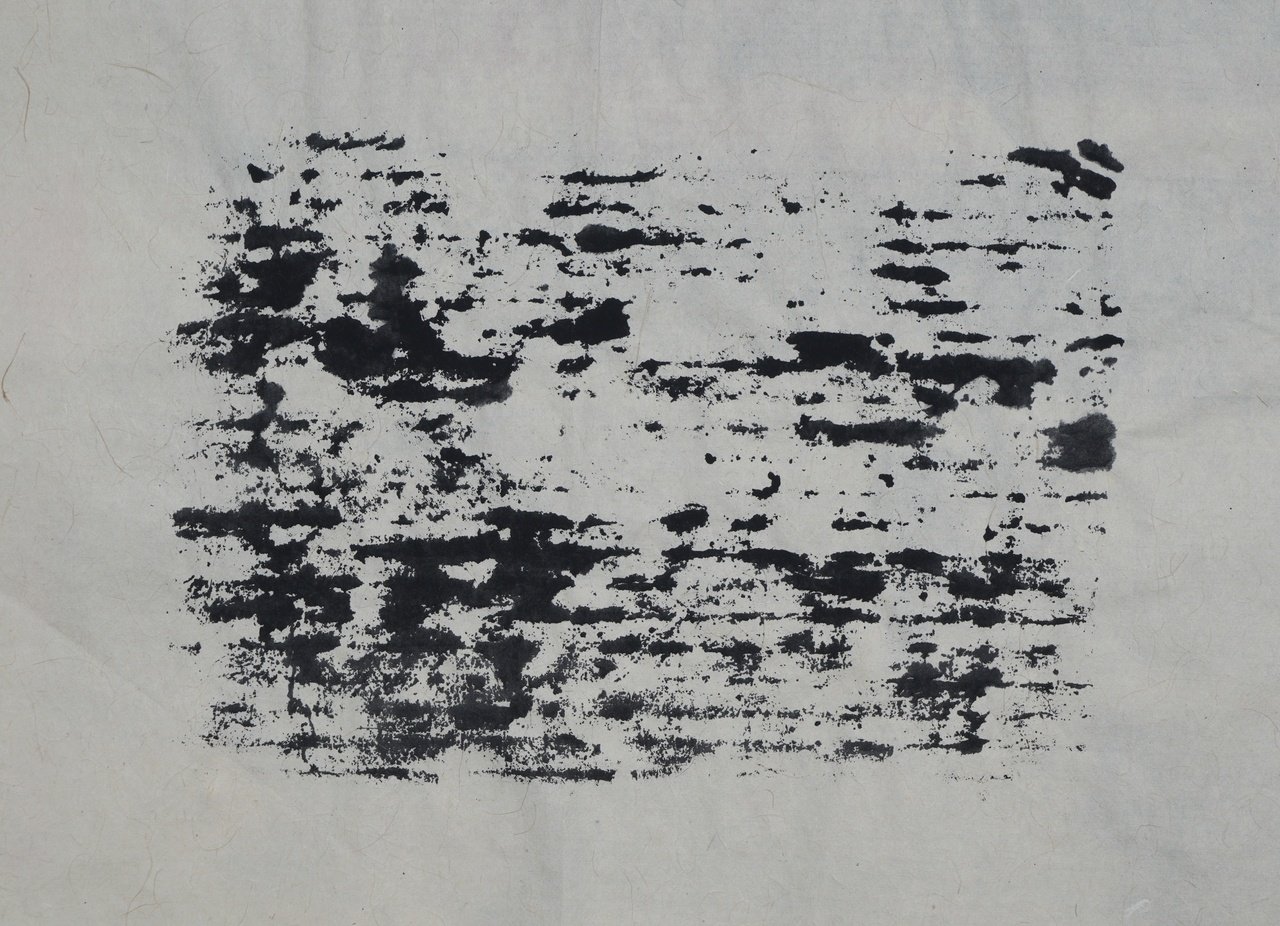
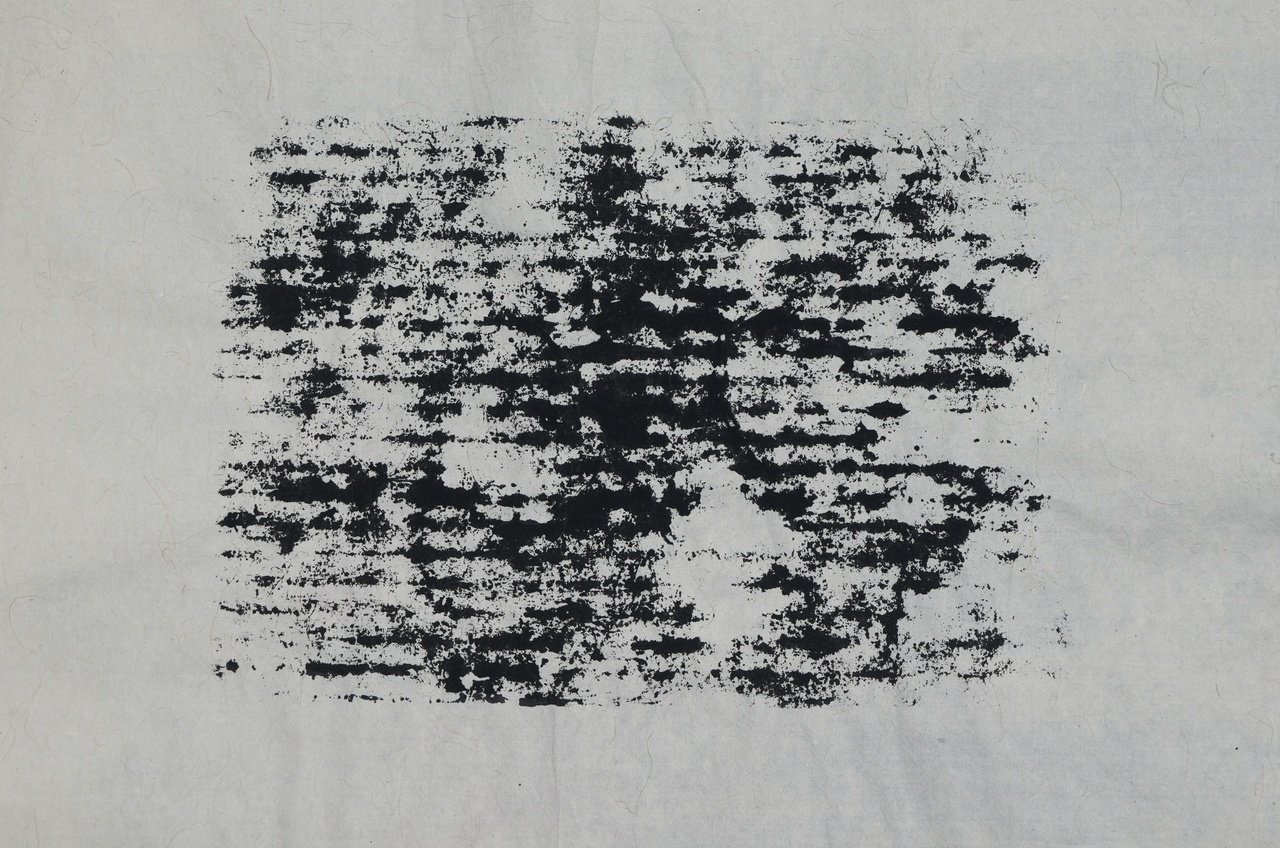
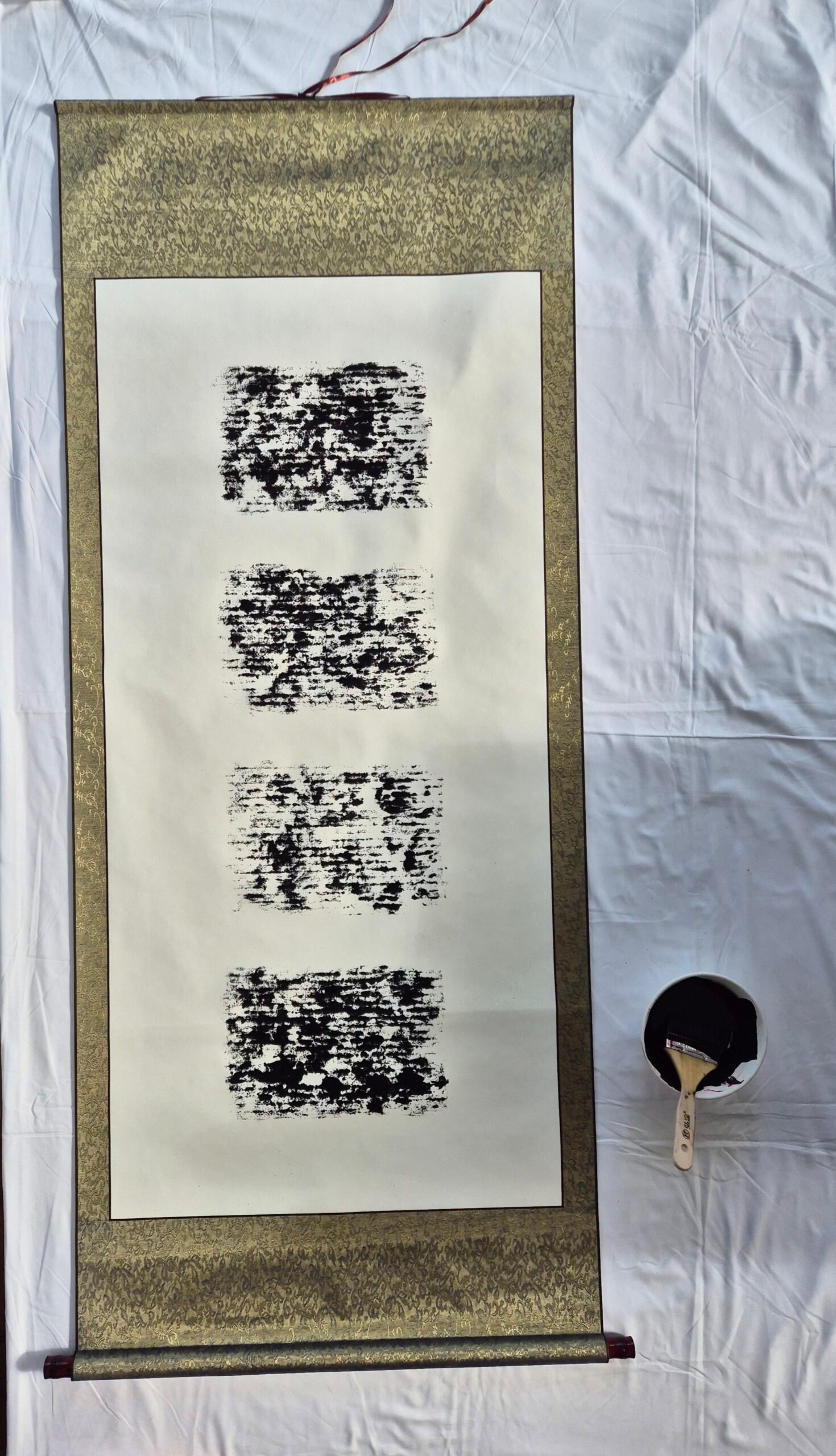
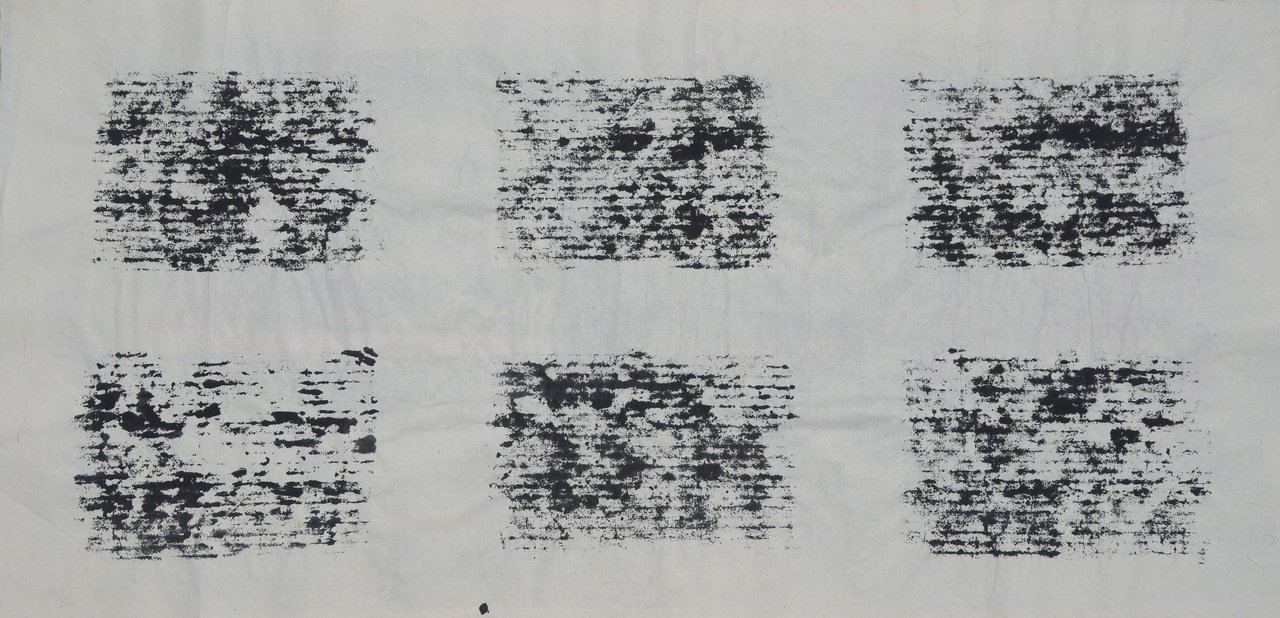
The surfaces in this series appear to contain a coded language. Rectangular fields of fragmented marks resemble braille systems, printing matrices, or eroded fragments of ancient writing. Repetition suggests grammar. Clusters imply syntax. The possibility of translation seems just within reach.
The works contain no message. The marks are the residue of a physical process — paint applied to a thin layer of mulberry paper that is later removed, leaving only partial transfers on the underlying surface. What remains are traces of contact, ghost impressions produced by material interaction rather than deliberate inscription. Nevertheless the mind insists on meaning.
These paintings simulate the appearance of language in order to expose humanity’s instinct to invent meaning where none exists. They are texts without content. Evidence of communication that never occurred.
Religion, ideology, and conspiracy thinking share this same structure. All rely on systems of signs that promise explanation. Once the viewer accepts the premise that a code exists, interpretation becomes inevitable. Authority emerges from those who claim to possess the key.
By denying the possibility of translation, these works interrupt that process. They reveal the moment at which the brain begins to fabricate coherence from noise.
Process
Paint is applied to a thin layer of mulberry paper placed over the ground surface. The paper is then removed. What remains are partial transfers — the ghost of contact between two surfaces. The marks were never intended as signs. They became signs the moment a viewer looked at them.